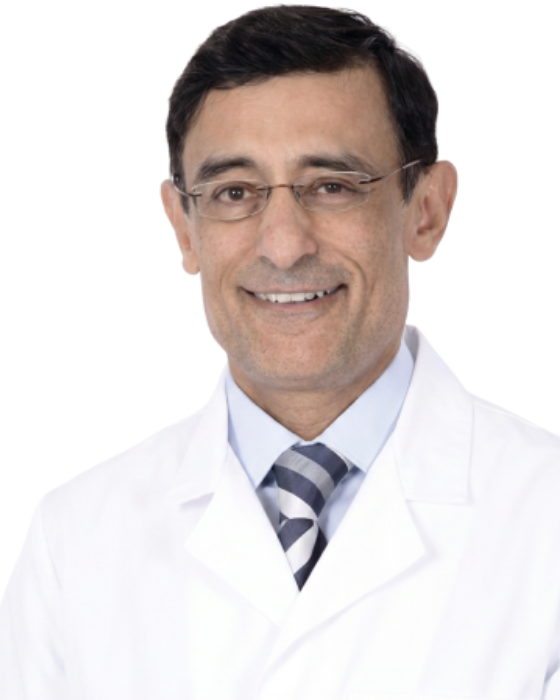
Dr. Ashley Sikand
Dr. Ashley Sikand helps patients understand their options clearly before recommending any intervention.
If one or both sides of your nose always feel blocked, the problem may be structural. Septoplasty and turbinate reduction can help open the nasal airway for the right candidate.

Find out what is actually blocking your nose.
Serving patients through Nevada Sinus Relief.
If your nose feels blocked for months, especially on one side or every night, the issue may be structural. A deviated septum, enlarged turbinates, or both can limit airflow no matter how many temporary fixes you try.
Nasal blockage can come from more than congestion. A deviated septum can narrow one side of the airway, while enlarged turbinates can crowd the space your air needs to move through. Septoplasty and turbinate reduction are designed to address those structural problems when they are the right fit.
The first step is not committing to surgery. It is getting a clear ENT evaluation so you know what is causing the blockage, what can be treated conservatively, and what procedural options may help.
Schedule ConsultationA modern care path designed to make the next step clear.
The specialist can review your symptoms, examine your nasal airway, and explain whether septoplasty, turbinate reduction, or a different plan makes sense. No pressure to decide before you understand your options.

Dr. Ashley Sikand helps patients understand their options clearly before recommending any intervention.
Nevada Sinus Relief provides sinus relief & nasal treatment in Las Vegas, NV.
The goal is practical: easier nasal breathing, fewer nights spent struggling for airflow, and a clearer understanding of whether a structural treatment path is worth pursuing. Results vary, but clarity should start at the consultation.
Ongoing blockage can be related to inflammation, allergies, a deviated septum, enlarged turbinates, prior injury, or a combination of factors. An ENT evaluation helps identify what is actually limiting airflow.
Septoplasty addresses a crooked or deviated septum, while turbinate reduction reduces enlarged tissue inside the nose that can narrow airflow. Some patients need one, some need both, and some need a different plan.
Not automatically. The right first step is an evaluation. Conservative care may be appropriate for some patients, while structural treatment may be discussed when anatomy is a major part of the problem.
Recovery varies based on the procedure and your medical situation. During a consultation, the team can explain what the expected recovery window and follow-up may look like for your plan.
Nasal blockage is typically evaluated through a combination of medical history, physical examination, and imaging or objective airflow tests to determine whether the obstruction is caused by inflammation, structural issues, or growths
The best way to know if this is right for you is a direct conversation with Dr. Acme.
Schedule ConsultationIf your nose always feels blocked, it is worth finding out why. Start with a focused consultation and get a clearer path before deciding on any treatment.