Nasal BlockageSyosset, NY

Breathe through your nose again.

If one or both sides of your nose always feel blocked, the problem may be structural. Septoplasty and turbinate reduction can help open the nasal airway for the right candidate.

Clearer Nasal Airflow
Septum + Turbinate Evaluation
Focused Treatment Plan
Nasal airway evaluation - Clear next-step planning - No pressure to decide
AirwayEvaluation

Find out what is actually blocking your nose.

Syosset NasalRelief

Care for nasal blockage with septoplasty and turbinate reduction in Syosset.

Why people come in
One nostril always blocked
Mouth breathing at night
Trouble breathing during exercise
Dr. Michael S. Cohen
Board-Certified ENT Specialist
Nasal Airway Focus
Septum and turbinate evaluation
Syosset, NY
Integrative Ear, Nose, and Throat Care
Treatment Planning
Clear options before any procedure
Sound familiar?

When a blocked nose is not just a cold

If your nose feels blocked for months, especially on one side or every night, the issue may be structural. A deviated septum, enlarged turbinates, or both can limit airflow no matter how many temporary fixes you try.

Constant nasal blockage
One or both sides feel blocked even when you are not sick.
Mouth breathing at night
You wake up dry, stuffy, or unable to breathe comfortably through your nose.
One nostril always blocked
Airflow feels uneven or worse on one side, especially when lying down.
Exercise or sleep problems
Poor nasal airflow makes workouts, sleep, or daily routines harder than they should be.
The solution

A focused path for chronic nasal blockage

Nasal blockage can come from more than congestion. A deviated septum can narrow one side of the airway, while enlarged turbinates can crowd the space your air needs to move through. Septoplasty and turbinate reduction are designed to address those structural problems when they are the right fit.

The first step is not committing to surgery. It is getting a clear ENT evaluation so you know what is causing the blockage, what can be treated conservatively, and what procedural options may help.

Schedule Consultation
Procedure Flow
How It Works

A modern care path designed to make the next step clear.

1
Your nasal airway is evaluated
The specialist reviews symptoms and examines the septum, turbinates, and nasal passages.
2
The septum is straightened when needed
Septoplasty can reposition the wall between the nostrils so air has a clearer path.
3
Enlarged turbinates are reduced
Turbinate reduction can shrink internal tissue that narrows the airway.
4
Recovery and follow-up are planned
You leave with practical guidance on healing, follow-up, and what improvement may look like for you.
Why patients choose it

What changes when your nasal airway gets attention

More comfortable nose breathing
The goal is to reduce structural blockage so nasal airflow may feel easier during normal daily life.
Less reliance on temporary fixes
Sprays and decongestants may not solve a deviated septum or enlarged turbinates. Evaluation helps separate symptom control from structural care.
Better sleep support
When nasal airflow is limited at night, sleep can suffer. Addressing obstruction may make breathing at rest feel more manageable.
A clear treatment decision
You do not have to guess whether surgery is the next step. A consultation maps symptoms, anatomy, and options.
Is this right for you?

You may be a candidate if...

One or both sides of your nose stay blocked
You breathe through your mouth because nasal airflow feels limited
A nostril feels blocked every night or when you exercise
Sprays, rinses, or allergy care only help temporarily
You have been told you may have a deviated septum
You want an ENT to explain whether septoplasty or turbinate reduction fits
Schedule your visit
Start with a consultation.

The specialist can review your symptoms, examine your nasal airway, and explain whether septoplasty, turbinate reduction, or a different plan makes sense. No pressure to decide before you understand your options.

Focused nasal airway evaluation
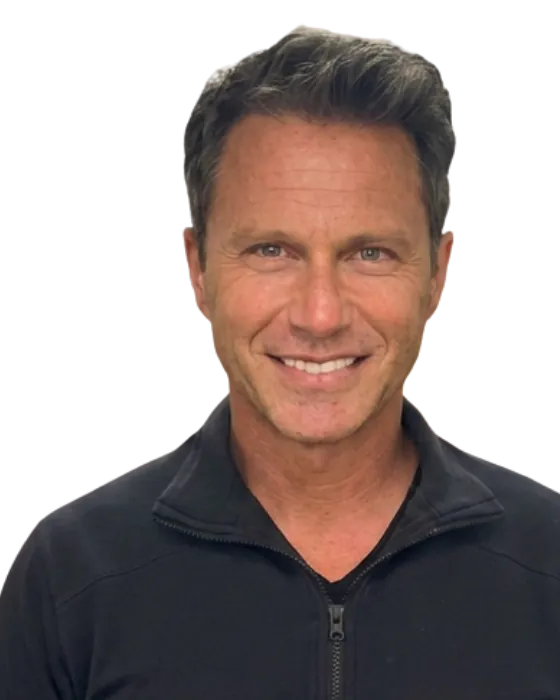
Dr. Michael S. Cohen
Board-Certified ENT Specialist
Your specialist

Dr. Michael S. Cohen

Board-Certified ENT Specialist - Syosset, NY

Integrative ENT describes Dr. Michael S. Cohen as a board-certified specialist in Otolaryngology, Head and Neck Surgery, and Facial Plastic Surgery with more than 25 years of experience serving Nassau and Suffolk County.

Board-certified specialist in Otolaryngology, Head and Neck Surgery, and Facial Plastic Surgery.
More than 25 years of trusted experience serving Nassau and Suffolk County.
Known for an innovative and holistic approach to ENT care.

The practice

Care should make the next step feel clear.

Integrative ENT provides comprehensive, minimally invasive ENT solutions for patients across Nassau and Suffolk County.

Board-certified ENT and facial plastic surgery leadership guides care for Long Island patients.
Minimally invasive ENT solutions are emphasized to help patients recover faster when appropriate.
The practice describes a holistic approach that aims to reduce unnecessary medication and support whole-person care.
Location
Visit Integrative ENT
Integrative ENT
575 Underhill Blvd Suite 175
Syosset NY 11791
Call
What to expect

How nasal airway treatment works

1
Consultation
Review your symptoms, triggers, prior treatments, and what bothers you most about breathing through your nose.
2
Airway Evaluation
The specialist examines your nasal passages to understand the septum, turbinates, and other possible causes of blockage.
3
Treatment Plan
If a structural issue is part of the problem, you will hear which options may fit and what recovery could involve.
4
Next Step
Move forward only if the plan makes sense for your anatomy, goals, and comfort level.
Patient Outcomes

What patients say after treatment

4.1
60+
Life After Treatment
Relief starts with knowing what is blocking the airway.

The goal is practical: easier nasal breathing, fewer nights spent struggling for airflow, and a clearer understanding of whether a structural treatment path is worth pursuing. Results vary, but clarity should start at the consultation.

"Doctor Cohen is the best ENT on Long Island I recommend him to everyone I know."
Victoria W.
Verified Patient
"It’s a refreshing feeling when you walk into a doctor and he actually listens to what you have to say. I could not be happier with the level of care I received.."
Eric M.
Verified Patient
"Dr. Cohen is the best in the business. He is knowledgeable, caring and really tries to treat the problem holistically first. I know I can trust what he tells me."
Giselle R.
Verified Patient
Common questions

Everything you need to know

What causes chronic nasal blockage?

Ongoing blockage can be related to inflammation, allergies, a deviated septum, enlarged turbinates, prior injury, or a combination of factors. An ENT evaluation helps identify what is actually limiting airflow.

How are septoplasty and turbinate reduction different?

Septoplasty addresses a crooked or deviated septum, while turbinate reduction reduces enlarged tissue inside the nose that can narrow airflow. Some patients need one, some need both, and some need a different plan.

Do I need surgery if I cannot breathe through my nose?

Not automatically. The right first step is an evaluation. Conservative care may be appropriate for some patients, while structural treatment may be discussed when anatomy is a major part of the problem.

How long is recovery?

Recovery varies based on the procedure and your medical situation. During a consultation, the team can explain what the expected recovery window and follow-up may look like for your plan.

What happens during a septoplasty and turbinate reduction consultation?

During a septoplasty and turbinate reduction consultation, your ENT specialist will review your symptoms, medical history, and how long you’ve had trouble breathing through your nose. They may examine the inside of your nose with a small scope or imaging, check for a deviated septum, enlarged turbinates, allergies, or sinus issues, and explain whether medication or a procedure is the best next step. You’ll also have time to ask questions about the procedure, recovery, risks, and expected breathing improvement.

Still have questions?

The best way to know if this is right for you is a direct conversation with Dr. Cohen.

Schedule Consultation
Ready to move forward?

Stop trying to breathe around the problem.

If your nose always feels blocked, it is worth finding out why. Start with a focused consultation and get a clearer path before deciding on any treatment.

Lockstep